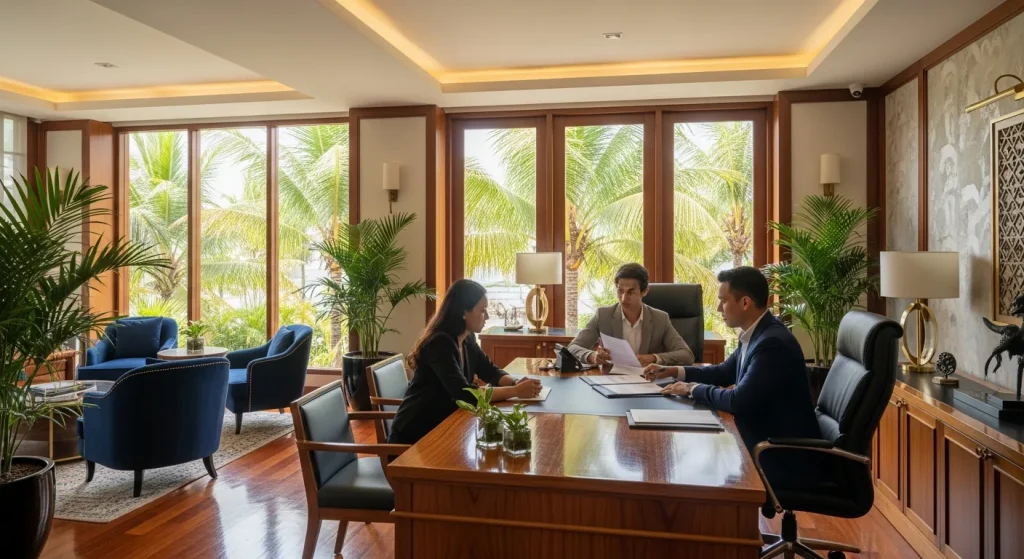
cultural etiquette when working with indonesian immigration officials
Cultural Etiquette When Working With Indonesian Immigration Officials Bali, with its verdant rice paddies, spiritual retreats, and vibrant coastal towns, […]
Cultural Etiquette When Working With Indonesian Immigration Officials
Bali, with its verdant rice paddies, spiritual retreats, and vibrant coastal towns, beckons discerning travelers and global citizens alike. Yet, beneath the island’s captivating allure lies a structured regulatory framework, particularly concerning immigration. For those accustomed to seamless international transit, navigating the nuances of Indonesian officialdom can present an unforeseen challenge. It’s not merely about paperwork; it’s about understanding a deeply rooted culture of respect, hierarchy, and indirect communication. At Dharma Dewata, we understand that a misstep, however minor, can transform a serene sojourn into a bureaucratic entanglement. Our mission, as your trusted dharma dewata bali agency, is to ensure your interactions with Indonesian authorities are as smooth and dignified as your stay on the island.
The 2026 Reality
As we navigate 2026, Indonesia’s immigration system has sharpened its focus, particularly in Bali. Authorities have intensified checks on foreigners, specifically targeting those suspected of leveraging tourist visas for activities that blur the lines with work or commercial gain. This includes everything from creating sponsored content and engaging in remote work to volunteering or participating in commercial collaborations. The message from officials is clear: visitor visas are exclusively for tourism. Misuse of these permits is not taken lightly and can lead to severe repercussions, including detention, substantial fines, deportation, and even future entry bans into the archipelago. (Sources: Bali enforcement reporting and immigration guidance summarized in 2026 coverage [1], [2])
Should you find yourself needing to communicate with immigration officials, the paramount approach is one of calm, profound respect, and unwavering cooperation. In Indonesia, the manner of your communication often carries as much weight as the validity of the documents you present. Understanding this cultural cornerstone is not just polite; it is strategically vital. Our insights at Dharma Dewata underscore that preparation and a culturally informed demeanor are your most valuable assets in these interactions.
Key Insights from Our Practice
Through countless interactions and having assisted hundreds of clients last month alone, our Dharma Visa team at Dharma Dewata has cultivated an invaluable repository of insights into working with Indonesian immigration officials. We understand that while regulations are universal, their interpretation and application are often influenced by local customs and hierarchies. The concept of ‘face’ (muka) is profound here; maintaining one’s own dignity and, crucially, respecting the official’s position, is paramount. Confrontation is almost always counterproductive.
We’ve observed that clarity, coupled with a deferential attitude, can significantly de-escalate potential misunderstandings. For instance, an official at the Kantor Imigrasi Denpasar might appreciate a patiently articulated explanation more than a rapid-fire defense. Our work often involves clarifying the intricate requirements for various visa types, ensuring that our clients are not only compliant but also equipped with the cultural acumen to present their case effectively. We guide individuals through the often-complex fee structures and associated costs, ensuring transparency and preventing unwelcome surprises. This comprehensive approach, fusing legal expertise with cultural intelligence, is the hallmark of the Dharma Dewata experience.
Step-by-Step Practical Guide
Navigating an interaction with an Indonesian immigration official requires more than just a valid passport; it demands a mindful approach rooted in local cultural norms. Here is our refined guide to ensure your encounters are respectful and efficient:
1. Be Polite, Formal, and Non-Confrontational
- Language and Tone: Employ respectful language, maintain a calm and even tone, and absolutely avoid arguing, interrupting, or raising your voice. Sarcasm or humor, particularly concerning visa matters, can be severely misinterpreted.
- Body Language: Avoid aggressive gestures such as pointing. Maintain open posture. If you find yourself disagreeing with an assessment, rather than becoming defensive, politely request clarification and an opportunity to present additional supporting documents.
- Patience: Indonesian bureaucracy often operates at a different pace. Patience is not just a virtue; it’s a necessity.
2. Address Officers Respectfully
- Titles: In Indonesia, it is customary to show deference to officials. A simple “Pak” (sir) or “Bu” (madam) preceding your statement is appropriate and highly appreciated in many situations. If you are uncertain of their specific title, maintaining a generally courteous and humble demeanor is always recommended. Allow the officer to lead the interaction.
- Dress Code: While not strictly enforced for every interaction, dressing modestly and neatly (e.g., collared shirt, long trousers/skirt) signals respect for the institution and its representatives, whether you are in Denpasar, Canggu, or Ubud.
3. Carry Your Documents in Order
- Preparedness: Immigration interactions proceed far more smoothly when you can immediately provide all necessary documentation. This typically includes your passport, a valid visa or stay permit, a return or onward ticket (if applicable), confirmed accommodation details, and any supporting documents relevant to your stated activity in Bali, be it in Sanur or elsewhere.
- Accuracy: Critically, if your purpose in Indonesia extends beyond pure tourism, ensure your visa precisely matches your activity. Authorities in 2026 are meticulously scrutinizing discrepancies, and any mismatch can lead to significant complications.
Real Case Example
We recently assisted a client, a digital nomad from Europe, who had initially entered Bali on a tourist visa, intending to work remotely from a villa in Canggu. Despite her good intentions, an unannounced spot check by immigration officials, prompted by local community reports, found her in violation. She was confronted, and her documents were scrutinized. Understandably distressed, she contacted Dharma Dewata. We immediately intervened, focusing on respectful communication and a clear understanding of the regulations. Our team worked diligently with the Direktorat Jenderal Imigrasi‘s local representatives, explaining the situation and guiding her through the process of applying for the correct visa type while mitigating the initial penalties. By presenting a comprehensive plan for compliance and ensuring all interactions were conducted with the utmost cultural sensitivity, we successfully navigated the complexities, preventing deportation and securing her appropriate stay permit. This case perfectly illustrates how a proactive, culturally informed approach can transform a challenging situation into a manageable resolution.
What’s Next & How to Get Help
The beauty and opportunity that Indonesia, particularly Bali, offers are unparalleled. However, enjoying these privileges comes with the responsibility of understanding and adhering to local laws and cultural norms. The 2026 immigration landscape demands heightened awareness and meticulous preparation from all foreign visitors and residents.
Do not leave your peace of mind to chance. Whether you are planning a visit, considering a longer stay, or require assistance with an existing immigration matter, the expertise of a trusted dharma dewata bali agency is invaluable. We are here to demystify the process, provide accurate guidance, and represent your interests with professionalism and cultural sensitivity.
For bespoke advice and comprehensive visa solutions, connect with us today:
- WhatsApp: https://wa.me/6281139414563
- Email: [email protected]
By Juara Holding Visa Team